
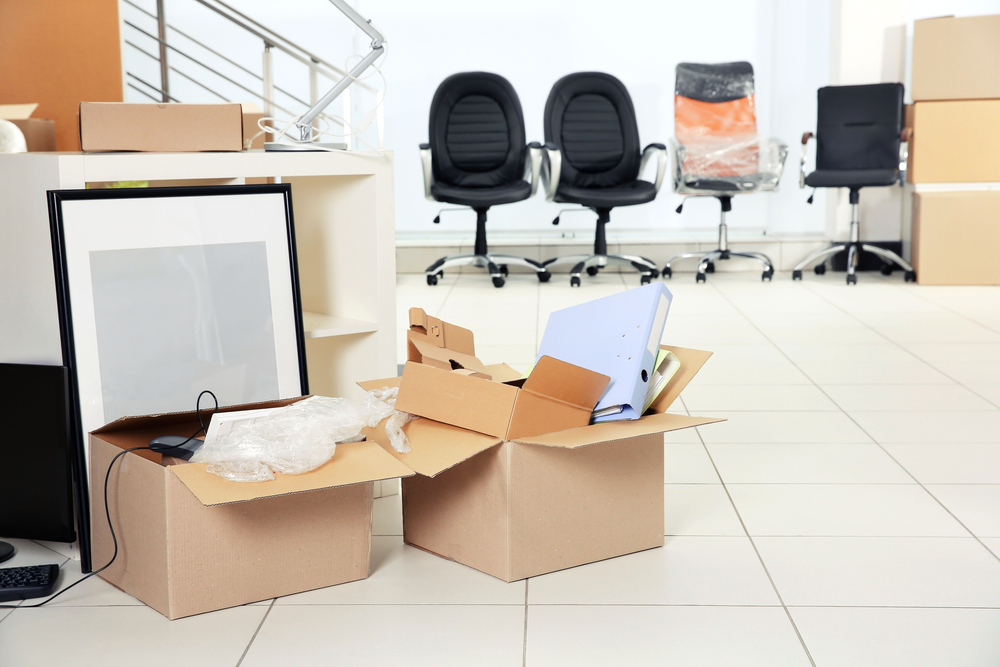
A retail store reopening has a deadline that cannot easily move. Shelving needs to be back in position, displays have to reach the sales floor, equipment must be accessible, and merchandise needs to arrive without turning the final preparation days into a maze of boxes.
When furniture, fixtures, inventory, and equipment have been temporarily relocated during renovations or a previous move, returning everything requires more than transportation. The sequence matters. The goal is to restore the store quickly while protecting the items that customers and employees depend on.
Work Backward From Opening Day
Start with the reopening date and create a practical schedule in reverse. Determine when fixtures must arrive, when displays can be assembled, and when inventory needs to be available.
Not every item needs to enter the store at the same time. Storage fixtures and back-office equipment may be positioned before merchandise, while delicate displays can be brought in closer to the final setup.
For businesses arranging professional assistance, https://dunedinmovers.com/commercial-movers/ provides information about commercial moving services that can support retail relocations and transfers.
Build a Store-Specific Inventory
Retail spaces contain more than products. Shelving, racks, counters, display cases, office furniture, point-of-sale equipment, signage, storage cabinets, and back-room supplies all need to be accounted for.
Create an inventory that separates these categories. This makes it easier to determine what should arrive first and what can wait until the store is nearly ready.
Protect Fixtures During Transportation
Retail fixtures can be bulky, awkward, or surprisingly fragile. Glass display cases, shelving components, counters, mannequins, signage, and specialty furniture may require careful preparation.
Where fixtures can be safely disassembled, label their components so assembly is straightforward at the destination.
Protect finished surfaces and glass elements before loading, particularly when several pieces will share the same vehicle.
Keep Hardware With the Right Fixture
Small brackets, screws, rails, and mounting components can become difficult to identify when separated from their original fixture.
Use labeled bags or containers for hardware and associate each set with the appropriate shelf, counter, rack, or display.
This can save valuable setup time during the final days before reopening.
Make the Back Room Functional First
The sales floor attracts most of the attention, but the back room is critical to reopening operations. Storage shelving, office furniture, supplies, equipment, and employee materials should have designated locations.
Dunedin Movers https://dunedinmovers.com/ can be considered when a Clearwater retailer needs professional help with the physical transportation and handling involved in preparing its commercial space.
Create a Clear Loading Sequence
A retail move becomes easier when items are loaded according to their destination.
Fixtures intended for the rear of the store should not be buried behind sales-floor equipment that needs to be unloaded first. A logical sequence can reduce unnecessary handling once the truck reaches the property.
Merchandise Requires a Different Approach
Inventory should be treated separately from furniture and fixtures. Boxes containing products should be clearly identified and kept organized by department, category, or destination area.
This allows employees to begin stocking shelves without first having to determine what every box contains.
Fragile merchandise also needs appropriate protection. Items that can break or become damaged through compression should not be placed beneath heavy fixtures.
Use Commercial Movers to Reduce Setup Pressure
The final stage of a store reopening can be intense. Employees may already be handling merchandising, cleaning, signage, technology, supplier coordination, and customer communications.
Commercial Movers can take on the physical work of transporting and positioning fixtures, furniture, equipment, and other business belongings.
This lets store personnel concentrate on reopening tasks that require their product knowledge and operational expertise.
Protect the New Sales Floor
Fresh flooring, painted walls, glass surfaces, and finished fixtures should be protected while heavy items are brought inside.
Establish clear paths from the loading point to the areas where furniture and fixtures will be installed. Keeping those routes organized can reduce accidental contact with completed surfaces.
Leave Room for the Final Setup
A common mistake is filling every available area too early. Retail stores often need space for assembling displays, organizing inventory, installing signage, and completing last-minute adjustments.
Leave practical working areas until the final stages of the move.
Storage can also be useful if certain fixtures or surplus equipment are not needed for the reopening itself. Keeping unnecessary items outside the sales floor can make the finished space cleaner and easier to organize.
A successful Clearwater retail reopening depends on timing as much as transportation. When fixtures, inventory, equipment, and back-room belongings are cataloged separately and moved according to their role in the setup process, the store can progress from an empty or unfinished space toward a functioning sales floor with fewer interruptions.
[…] Lamb: ‘A Man Who Has Single-Handedly Lowered the Public’s Expectation of Personal Hygiene’ Getting a Clearwater Retail Store Ready for Its Next Opening Women’s Basketball League Unrivaled Raises More Than $100 Million From Carmelo Anthony, Ashton […]
[…] Lamb: ‘A Man Who Has Single-Handedly Lowered the Public’s Expectation of Personal Hygiene’ Getting a Clearwater Retail Store Ready for Its Next Opening Women’s Basketball League Unrivaled Raises More Than $100 Million From Carmelo Anthony, Ashton […]
[…] Lamb: ‘A Man Who Has Single-Handedly Lowered the Public’s Expectation of Personal Hygiene’ Getting a Clearwater Retail Store Ready for Its Next Opening Women’s Basketball League Unrivaled Raises More Than $100 Million From Carmelo Anthony, Ashton […]