
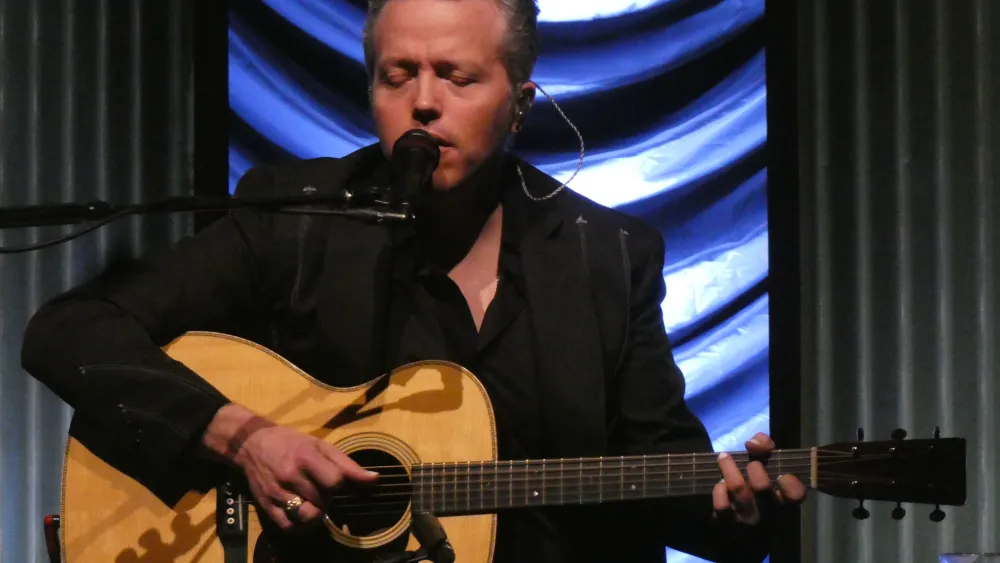
Grammy-winning Americana crooner Jason Isbell is one of several new litigants in a new federal lawsuit against the AI music generator Suno, arguing the company has allowed users to produce tracks based on musicians’ identities with its models without their consent.
Read more ‘Godzilla Minus Zero’ Named Centerpiece of Tokyo Film Festival as ‘Sukiyaki’ Opens, ‘Colony’ Closes
The lawsuit — filed Monday in the U.S. District Court in Massachusetts by a group that includes Isbell, Cracker and Camper Van Beethoven frontman David Lowery, Texas blues musician Guy Forsyth and Florida-based saxophonist Eduardo Calle — compared Suno to the Borg, the “Star Trek” villains known for their “resistance is futile” method of absorbing their victims into their hive mind by restructuring their minds to become a similar, if changed versions of themselves. That is what Suno does when users type an artist’s name into its models to try and produce sonic variants of their work, attorney Alan D. Rose wrote in the complaint for the plaintiffs.
“It encoded musicians’ identities into its AI model to create its commercial product without consent, and now exploits those identities by publicly using musicians’ names to Suno’s considerable commercial benefit,” Rose wrote, claiming the company encouraged its marketing partners to tout that ability while minimizing the company’s alleged choice.
The plaintiffs are seeking class-action status for the lawsuit, statutory and punitive damages and for Suno to be prevented from capturing and monetizing artists’ identities. “A musician’s identity is their property, but Suno took it without consent,” Rose wrote. “This lawsuit is how these musicians resist the premise that resistance is futile.”
Suno declined to comment. The company’s CEO Mikey Shulman wrote in a blog post last month that Suno did not retain artist names in its metadata and that its models did not allow users to prompt for specific artists or songs.
Read more Tubi Sets Short-Form Horror Anthology Series ‘Bite Size Terror’ For Fall Release (EXCLUSIVE)
But the plaintiffs claimed that Suno retained “voiceprints” of artists, and users could bypass Suno’s guardrails and access those “prints” by specific prompts that skirt using the artist’s name by asking for tracks invoking their “tone and phrasing,” by using real names instead of stage names (as in the case of the rapper Common) or by adding spaces between the letters of their names, among other methods.
The case differs from other litigation efforts against Suno for focusing not on the issues of copyright, which have spurred several lawsuits against the company and thus settlements providing certain catalogues for Suno’s use, and instead on the element of identity, which the plaintiffs claimed is usually retained by a musician regardless of a settlement deal or whether an artist opts into allowing Suno to train off their work.
“Many musicians sell their rights to specific recordings,” the complaint read. “However, the identity right belongs to the performer regardless of who owns any copyright in an underlying recording unless the identity right is separately licensed, typically for merchandise under an artist’s control. This lawsuit seeks to recover the value of those misappropriated identities and to stop their ongoing commercial exploitation.”
Other lawsuits against Suno include ongoing cases by the independent music publisher Round Hill Music and the major labels Universal Music Group and Sony Music Entertainment. Warner Music Group settled its case against Suno last year, and Suno is developing a model in partnership with the label.
Read more Music Industry Moves: BMG-Concord Merger Is Complete, New Executive Teams Announced